
 Call
Call

 Send Email
 Messenger
 WhatsApp

Bulgaria in the Eurozone: What This Means for the Property Market
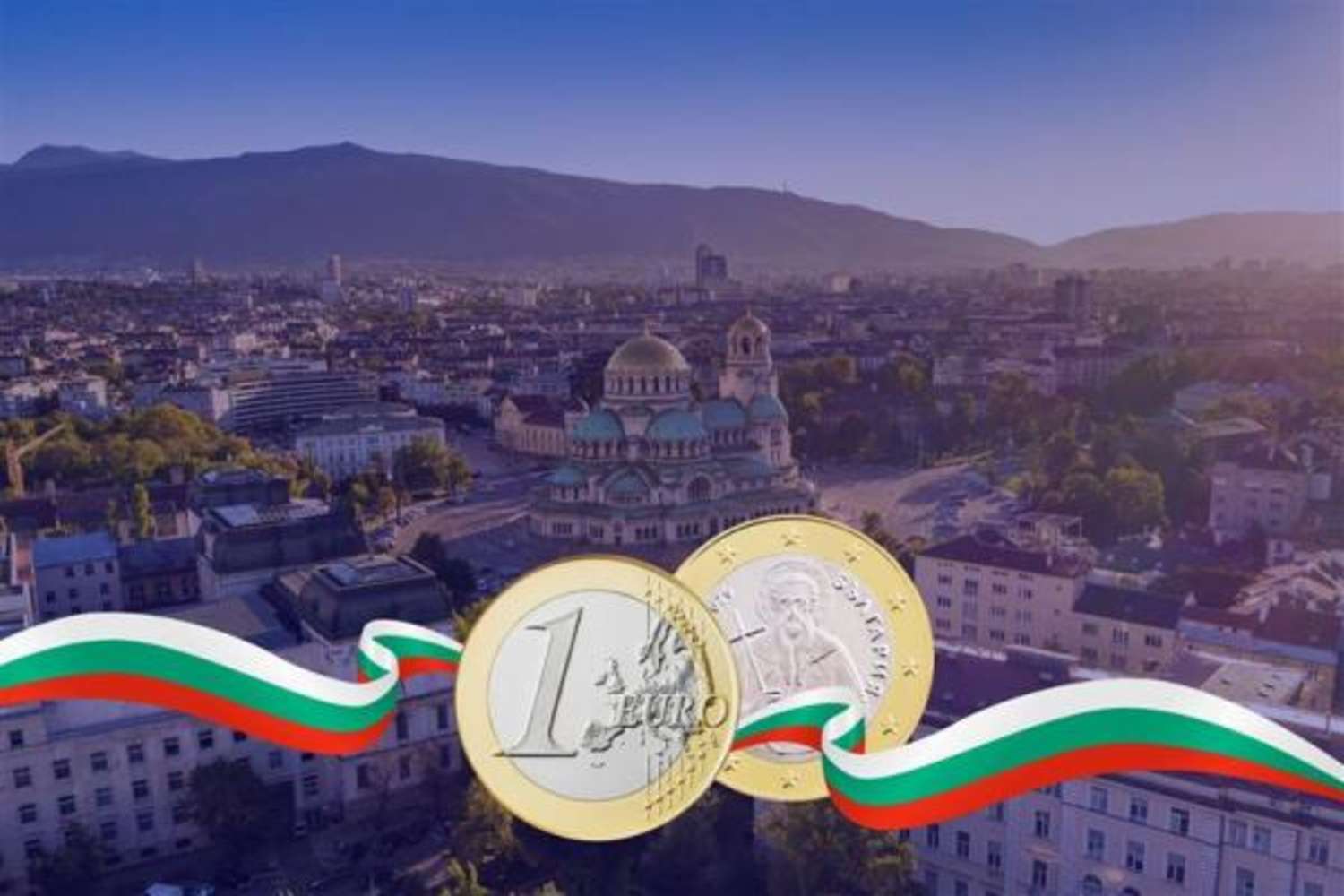 As of 1 January, Bulgaria is officially part of the eurozone. What was discussed for years is now a reality – the euro is the country’s official currency, and Bulgaria has taken a decisive step into the core of the European economic framework.
This historic step brings long-term stability, new opportunities for businesses and investors, and greater confidence for citizens and international partners alike.
For the property market, this milestone brings confirmation and confidence, rather than sudden or dramatic change.
Property Prices Were Already in Euros
In real estate terms, Bulgaria has long been operating in euros. Property prices across the country – from city apartments and new residential projects to holiday homes and investment properties – have traditionally been quoted, negotiated, and compared in euro values.
The market is already calibrated to euro-based pricing, making the transition smooth and familiar for both local and international buyers.
What Actually Changes Now?
The most important shift is not in numbers, but in perception and trust.
With eurozone membership:
• Currency risk for foreign buyers is eliminated
• Transactions become simpler and more transparent
• Bulgaria aligns fully with other eurozone property markets
• This puts the country on the radar of buyers who previously preferred to invest only within the euro area.
Why More Foreign Buyers Are Expected
For many international buyers, especially from Western and Northern Europe, the absence of the euro was often a psychological barrier rather than a real economic one. That barrier no longer exists.
As a result, Bulgaria now combines:
• Eurozone security
• Competitive property prices
• Attractive lifestyle, rental, and investment potential
This combination is expected to lead to increased interest from foreign buyers, particularly in major cities, seaside and ski resorts, and high-quality new developments.
The likely outcome is steady demand, better liquidity, and broader international participation rather than abrupt price jumps.
For sellers, this means stronger visibility and a wider buyer base. For buyers and investors, it offers clarity, predictability, and confidence aligned with the rest of Europe.
Bulgaria is already in the eurozone – and the property market is entering a new phase of maturity, transparency, and international appeal.

Read more news
More News

We are welcoming Autumn with encouraging signs from the Bulgarian property market! 🍂🏡
August, traditionally one of the quietest holiday months of the year, brought a noticeable increase in activity. The market once again demonstrated that when attractive properties are offered at the right price, buyers are ready to act and transactions can happen quickly.

Bulgaria is preparing for one of the biggest international events in its recent history. Burgas has officially been selected to host the Eurovision Song Contest 2027, bringing Europe’s largest live music show to the Bulgarian Black Sea coast for the first time.
The 71st Eurovision Song Contest will take place in Arena Burgas, with the two Semi-Finals scheduled for 11 a...
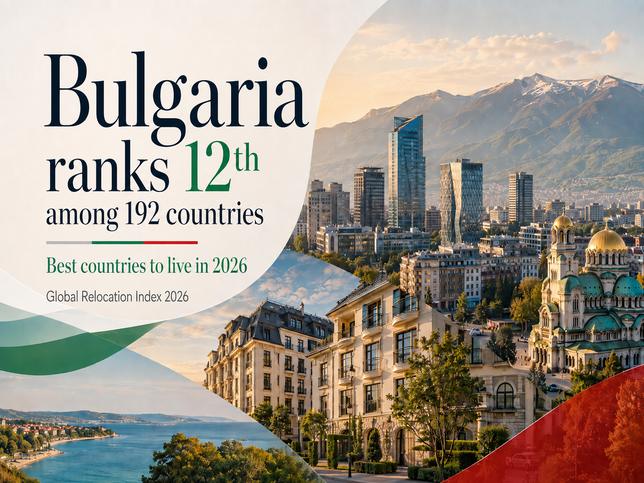
Bulgaria has been ranked 12th among 192 countries in the Rumavi Global Relocation Index 2026, reinforcing its position as an increasingly attractive destination for living, working, retiring and investing in property.
Bulgaria has achieved an impressive 12th place in the global Best Countries to Live in 2026 ranking, compiled as part of the Rumavi Global Relocation Ind...

Summer is in full swing, and the property market continues to prove that the right listings make all the difference! ☀🏡
July brought important market data and sparked wide discussion about the future direction of transaction volumes and property prices. The market is entering a more balanced phase, buyers are becoming more cautious, and their choices are increasingly s...