
 Call
Call

 Send Email
 Messenger
 WhatsApp

How Bulgaria’s Eurozone Membership Is Shaping the Real Estate Market
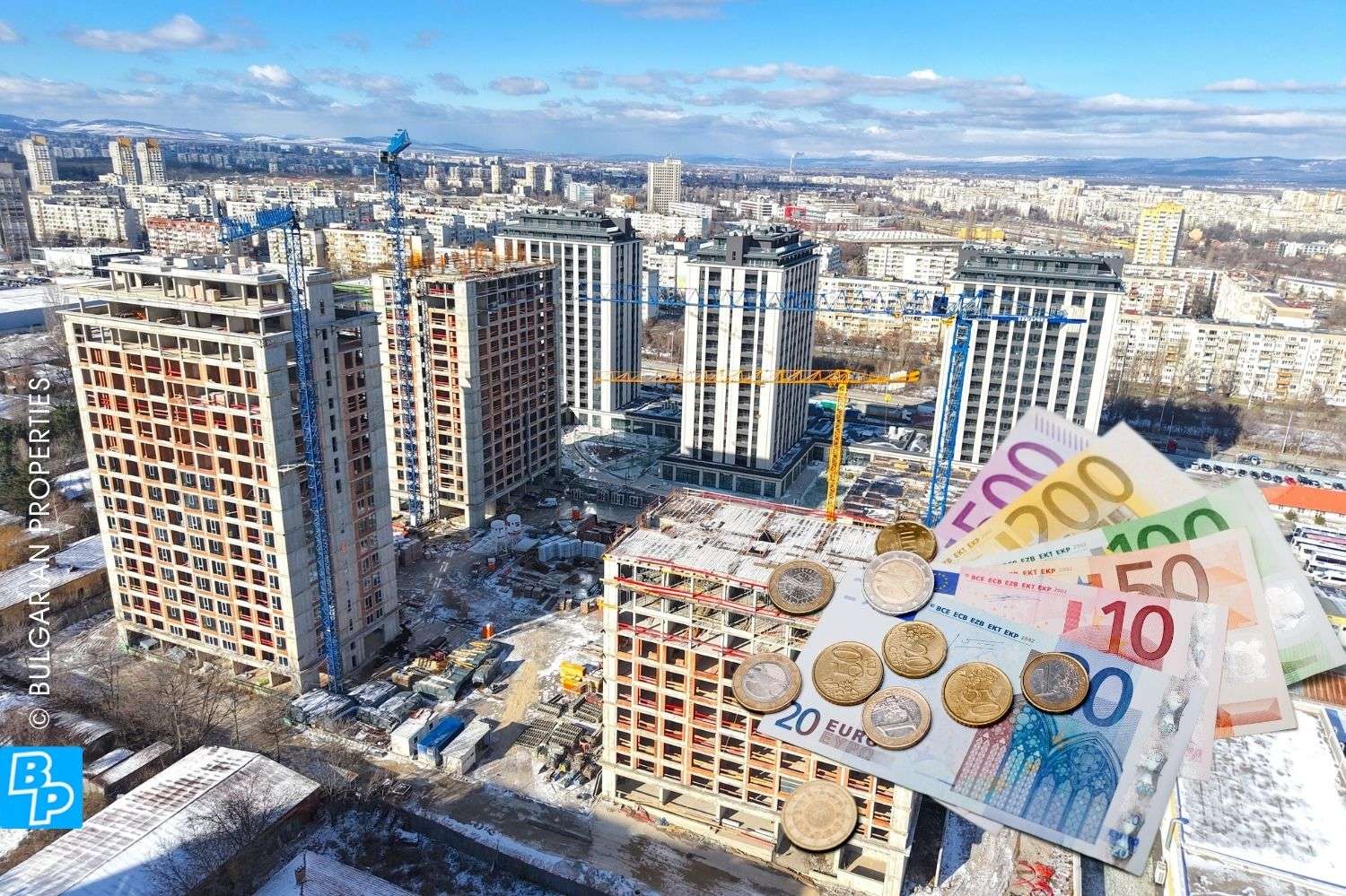 Bulgaria’s entry into the Eurozone marks a defining moment for the country’s real estate sector. The adoption of the euro is no longer an expectation but a reality, and its impact is already visible across residential and investment markets. Greater transparency, improved confidence, and deeper integration with European financial systems are reshaping how property is priced, financed, and perceived. According to market data and trends monitored by Imoti.com, the real estate market is entering a more mature and internationally comparable phase.
1. Stronger Market Stability and Renewed Buyer Confidence
Since joining the Eurozone, Bulgaria’s property market operates within a more predictable economic framework. The elimination of currency risk has strengthened confidence among both local buyers and foreign investors. Transactions are easier to evaluate, and long-term planning has become more reliable.
This stability is particularly important for households purchasing primary residences, as well as for investors seeking income-generating or capital-preserving assets. The real estate market increasingly reflects long-term fundamentals rather than short-term speculation.
2. How Has the Euro Changed Demand for Property in Bulgaria
The introduction of the euro has directly influenced demand patterns. Interest from buyers within the European Union has increased, especially in urban centres and regions with strong rental potential. Properties are now priced and negotiated in a familiar currency, reducing psychological and financial barriers for cross-border transactions.
At the same time, domestic demand remains active, supported by clearer pricing, easier comparisons, and improved access to financing. The result is a more balanced and competitive market environment.
3. Property Prices After Euro Adoption: What the Data Shows
Price dynamics following euro adoption reveal gradual, structural adjustments rather than abrupt jumps. Residential prices continue to be shaped by supply constraints, construction costs, and location-specific demand, not by the currency change alone.
n major cities such as Sofia, Plovdiv, Varna, and Burgas, prices align more closely with regional European benchmarks, particularly in new developments and energy-efficient buildings. Secondary markets show more moderate growth, reflecting local economic conditions and demographic trends.

4. Key Market Adjustments Buyers and Sellers Are Experiencing
The shift to the euro has introduced a more disciplined pricing environment. Market participants increasingly rely on comparable sales, professional valuations, and transparent data.
Some of the most visible changes include:
• Clearer comparison of prices with other EU property markets
• Reduced uncertainty for long-term ownership and rental planning
• Higher demand for quality construction and energy efficiency
• More realistic pricing strategies from sellers
• These factors contribute to a market driven by value and sustainability rather than short-term expectations.
5. Mortgage Lending and Financing in the Eurozone Context
Mortgage lending now operates fully within the euro-area framework. Interest rates follow broader European trends, improving predictability for borrowers. Banks offer euro-denominated mortgage products that reduce exchange-rate risk and support long-term affordability.
At the same time, lending standards remain conservative, placing greater emphasis on income stability and creditworthiness. This balance supports financial stability while maintaining access to housing finance.
6. Regional Differences in Market Impact
Eurozone membership affects regions differently. Large cities, business hubs, and coastal destinations benefit most from increased visibility and international interest. Tourist-oriented locations and areas with strong rental demand show higher transaction activity.
In contrast, smaller towns and regions with limited economic growth experience more gradual change. This makes regional analysis essential when assessing property opportunities in the current market environment.
7. Long-Term Outlook for Bulgaria’s Real Estate Market
Bulgaria’s position within the Eurozone supports a more transparent, resilient, and internationally integrated real estate market. The focus continues to shift toward quality, location, and long-term value rather than speculative growth.Bulgarian cultural events
For buyers, sellers, and investors, informed decision-making is now more important than ever. Understanding market fundamentals and regional differences is key to navigating this new phase successfully.
Making Confident Property Decisions Today
Eurozone membership has already reshaped Bulgaria’s real estate landscape, creating clearer rules, stronger confidence, and closer alignment with European markets. Whether you are buying, selling, or investing, access to accurate data and expert insight is essential. Explore current listings, price trends, and market analysis on Imoti.com to make well-informed property decisions in today’s evolving market.
View our properties in the capital of Sofia
Check out our properties in the ski and beach resorts
View rural houses
Read more news
More News

Summer is here, and the real estate market in Bulgaria continues to offer great opportunities for those who are well-informed and act at the right time!
May was a month of in-depth analyses and valuable market data, showing that the market is entering a more balanced phase. Buyers are becoming more cautious, supply is gradually increasing, and successful transactions increasingly d...
After two years of exceptionally strong price growth, limited supply and euphoria fuelled by the expected introduction of the euro, Sofia’s residential property market entered a new cycle in the first quarter of 2026.
The period was characterised by existing demand, but also by more moderate activity, as buyers and sellers reassessed their behaviour.
The market began ...

The first quarter of 2026 marks the beginning of a new stage in the development of Bulgaria’s property market, which is moving from a period of accelerated transactions in 2024–2025 into a phase of normalization, characterized by more mature and rational buyer behavior.
This shift is also visible in an analysis of nearly 15,000 real searches made between January and Ma...

The market is rebalancing – and great results come with the right strategy!
April brought clear signals of a new phase in the real estate market in Bulgaria – a more moderate pace, more cautious buyers, and increasing supply. And yet, deals are happening across all segments when properties are positioned correctly.
In this more mature and competitive environment, our Agents ...