
 Call
Call

 Send Email
 Messenger
 WhatsApp

Slopeside bargains in new Europe
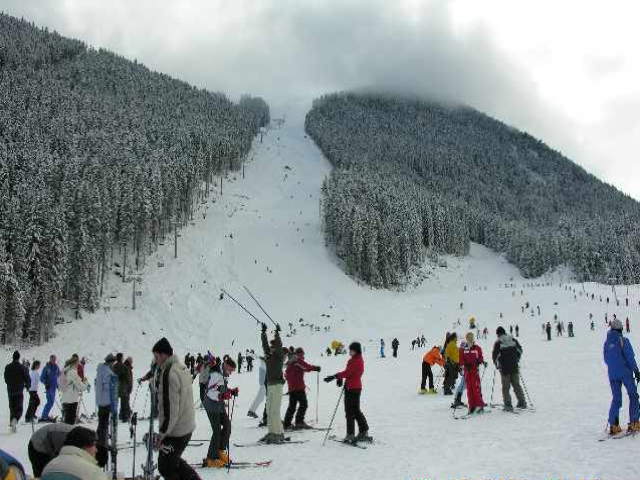
In the late 1980s, Bulgaria's communist government built a no-frills ski lodge for students and installed a creakingly slow chair-lift on the slopes above Bansko, a small town overlooked by the peaks of the Pirin mountain range.
Facilities at the "Akademika" were spartan, but memories of sparkling powder snow and some of the longest pistes in Europe stayed with the IT and engineering graduates who emigrated to find jobs during the early transition years.
Now they're back, transformed into Bulgaria's new entrepreneurial class, with cash to spend on a weekend ski home. The place to look? Bansko, no longer a down-at-heel mountain hideaway but one of the shiniest ski resorts in "new" Europe.
Ulen, a Sofia-based company, has invested 40mln Euro to install a state-of-the art ski facility, with equipment specifically designed for piste and weather conditions on the Pirin slopes.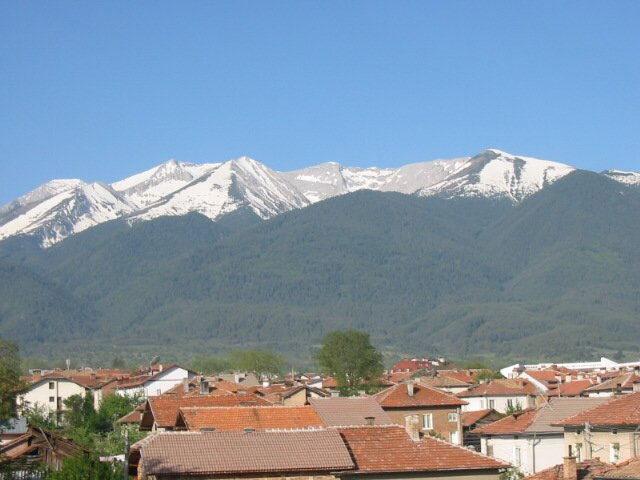 A gleaming blue gondola carries skiers and snowboarders from the ski cen tre outside the town to the beginners' area and ski-school at 1,600m, while two chair-lifts continue on to the highest slopes at 2,500m, beneath the Todorka peak. There are 17 pistes, including a 16km run from beneath the summit down to the outskirts of town.
Carefully groomed runs are equipped with dozens of cannons for making artificial snow. Ski passes are fitted with micro-chips readable through the pocket of a ski jacket to avoid having to fumble with a card at the gate. Rescue services include a sort-code mobile number for skiers in trouble.
And on top of all that is the option of off-piste skiing, or trying out the bi-athlon, a testing mix of shooting and skiing popular with Bulgarians. Local tour operators also offer guided cross-country skiing and snow-shoeing across the pine-clad lower slopes.
Unsurprisingly, travel companies have moved in, with some, such as London-based, Bulgarian-owned Balkan Holidays offering charter flights to Sofia (two-and-a-half hours from Bansko) as well as accommodation in hotels, guest houses or apartments.
As foreigners grow more familiar with Bulgaria, pouring money into holiday homes along the Black Sea coastline and investing instead of renting as expatriates in Sofia, it seems only natural that ski resorts would be next in line for a property spending spree.
Bansko's emergence on the European ski map has sent land prices soaring. But building costs are still comparatively low, so one-bedroom apartments start at about 40,000 Euro, while a comfortable two-bedroom apartment with a wooden balcony and a fireplace in a gated complex with swimming pool and sauna goes for 60,000-70,000 Euro. (Tour operators such as Balkan and TUI of Germany also offer the opportunity to recoup some of that money through rental schemes during the four-month ski season.)
In nearby villages such as Dobrinishte, which is slated for development by Ulen in the next stage of the project, prices are even lower. A stone-and-timber farmhouse in traditional Bulgarian style can still be had for 20,000 Euro, although the cost of renovation would double that outlay.
At the moment, Bankso's building boom gives it a sort of "wild East" frontier look. Cement mixers are parked on pavements and cranes stand guard over construction sites. But Ivailo Ruhov, the deputy mayor, says the area is in less danger of over-development than the Black Sea coast because of restrictions surrounding the nearby national park. "Development looks aggressive, it's true," he says, "but we need enough beds and service facilities to accommodate about 7,000-8,000 skiers. Once that's achieved, we'll work to maintain a high-quality environment for year-round tourism."
A well-preserved old town, with meandering cobbled streets and merchants' homes clustered behind high stone walls, reflects Bansko's history as a stopover on the Ottoman-era caravan route from Constantinople to Thessaloniki on the Aegean. It was also a centre of chitalishta - cafés transformed into reading rooms during the country's late 19th-century drive to bring literacy to rural areas.
This sense of history, as well as the presence of Bulgaria's "new Europe" middle-class, helps make foreigners feel comfortable. English is also widely spoken and the streets are clean and well lit. A handful of bars and discos have sprung up to provide an après-ski atmosphere but nightlife centres on the mehanas, basement taverns offering hearty meals and live folk music.
Most avoid being kitschy because of the quality of the music and the cuisine, which includes grilled lamb and crêpes with walnut and honey.
Non-skiers can go horse-riding or visit medieval churches and Roman ruins nearby, while a trip to the communist-era public baths in Dobrinishte offers the opportunity to talk about Bulgaria's prospects for joining the European Union while soaking in volcanic mineral spring water.
Pirin is also becoming popular with hikers in summer and its network of alpine huts is being gradually improved. Many of the trails and roads created to serve the ski resort will be available this year for mountain biking under a Ulen-sponsored programme. Tzeko Minev, president of Bulgaria's ski federation, says more facilities for non-skiers, including at least one 18-hole golf course, are planned.
The medium-term strategy is to bring the ski facilities up to a standard that would enable Bulgaria to host the 2014 Winter Olympics. An Olympic bid would mean upgrading the road from Sofia to a four-lane highway, which would cut the airport-to-Bansko journey time to less than two hours. In the meantime, a new border crossing with Greece, due to open next year, should make the resort accessible from Thessaloniki airport in the same amount of time.
"On a clear day you can look across the Pirin range and see the Aegean," Minev says. "Imagine skiing in April in Bansko, then driving down to Greece for a swim."
read more articles